

Chinese New Year 2026 supply chain disruption – The Chinese New Year is still the single biggest yearly disruption for supply chains linked to China. While the holiday officially lasts about two weeks, the knock-on effects on production, staffing, quality and logistics often run on for months.
Chinese New Year 2026 falls in mid-February and marks the Year of the Horse. For companies importing from China, it’s a period that needs planning well in advance. Those who don’t often face late shipments, higher costs, quality problems and stock shortages — usually when they can least afford them.
This guide is written for importers, brand owners, wholesalers, and procurement teams that rely on Chinese factories and want to reduce risk during the 2026 Chinese New Year period.
Why Chinese New Year Still Disrupts Supply Chains in 2026
Despite automation and modern logistics, Chinese manufacturing still depends heavily on labour. Chinese New Year is the one time of year when:
- Millions of workers return to their home provinces
- Factories shut down completely or operate at reduced capacity
- Skilled staff may not return after the holidays
- Logistics networks slow down dramatically
In practice, the Chinese New Year is not a two-week event. For importers, the disruption typically runs from early January through late March or even April.
The Two Pressure Points for Importers
For companies importing goods from China, the Chinese New Year pressure shows up in two main areas:
- Your Chinese supplier
- The transportation of your goods out of China
Both need to be managed proactively.
1. Managing Your Chinese Supplier
The best way to think about Chinese New Year planning is to split it into two phases:
- Before the Chinese New Year
- After the Chinese New Year
Each phase brings different risks.
Before Chinese New Year: What Typically Goes Wrong
As the holiday gets closer, supplier behaviour often changes. Common warning signs include:
- Product quality starting to slip
- Less willingness to make changes to orders
- Pressure for faster payment or full payment upfront
- Prices increasing with little or no notice
- Rushed production to meet pre-shutdown deadlines
These issues rarely happen without reason.
Chinese New Year 2026 supply chain disruption- Why This Happens
In the weeks before the Chinese New Year:
- Worker contracts often end, and some employees mentally “check out” before leaving
- Bonuses are paid, and dissatisfaction can affect morale and workmanship
- Factories face cash pressure from wages, bonuses, raw materials, and tax payments
- Busy factories may outsource production to sub-suppliers with weaker quality controls
- Some suppliers know buyers have limited alternatives before the holidays
From the buyer’s side, this can feel sudden and confusing — but in China, it’s a predictable annual cycle.
What You Should Do Before CNY 2026
- Finalise specifications and artwork as early as possible
- Avoid last-minute design or quantity changes
- Lock pricing in writing well ahead of January
- Schedule independent quality inspections before goods leave the factory
- Assume factories will be under pressure and plan accordingly
This is where Goodada’s China Quality Control Inspections are especially valuable. An on-the-ground inspector gives you visibility when communication weakens.
After Chinese New Year: The Hidden Risk Period
The post-holiday restart is frequently more risky than the shutdown itself.
After the Chinese New Year, Chinese factories commonly face:
- Labour shortages as workers fail to return
- Newly hired staff with limited training
- Reduced production capacity for weeks or months
It is not unusual for factories to take two to three months to return to full output.
Common Post-Holiday Issues
- Suppliers delaying or refusing new orders
- Production timelines are extending by 20–30%
- Slow responses to pricing updates
- Inconsistent product quality from new staff
This is one of the main reasons importers experience quality problems in March and April.
Independent inspections after the holidays are critical, especially for early post-CNY shipments.
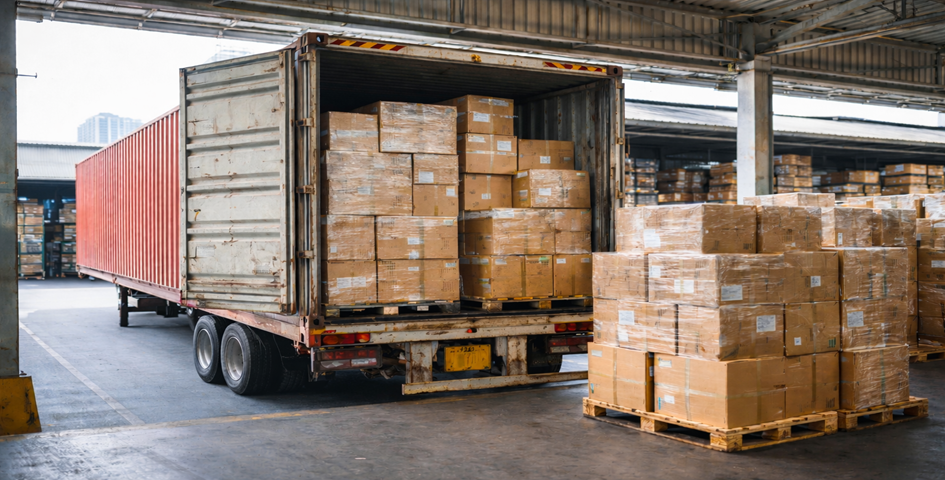
2. Transporting Goods Out of China
Even if your goods are ready you may struggle to get them out of China.
In the weeks leading up to the Chinese New Year:
- Container space tightens
- Rates fluctuate
- Ports and forwarders experience congestion
After the holidays, backlogs can take weeks to clear.
Practical Transport Tips for Chinese New Year 2026 supply chain disruption
- Expect longer lead times from January to March
- Book shipping space earlier than usual
- Ship well before factories shut down
- Avoid cargo sitting at ports during the holiday
- Build buffer time into customer delivery dates
Stock Planning:
Hold at least 10–12 weeks of buffer stock. So for 2026, that typically means building inventory to cover demand from mid-February through early April.
If certain products are critical to your business, consider:
- Increasing orders before the holidays
- Sourcing a limited backup supply outside China
- Prioritising inspections on high-risk SKUs
How TCI China and Goodada Help During the Chinese New Year
Chinese New Year is not just a logistics problem — it’s a communication, quality, and risk-management challenge.
TCI China supports companies by acting as a local extension of their team in China, helping with:
- Supplier communication during shutdown periods
- Timeline and production risk management
- On-the-ground follow-ups when emails go unanswered
- Practical advice based on real factory behaviour, not theory
Having someone locally who understands how Chinese suppliers operate during this period can prevent small issues from turning into major delays.
Goodada China Quality Control Inspections
Goodada provides independent QC inspections across China, including:
- Pre-shipment inspections before CNY shutdowns
- In-process inspections during rushed production periods
- Post-holiday inspections when new staff are in place
- Clear, visual reports that help buyers make shipment decisions
During the Chinese New Year season, inspections are often the last line of defence between a rushed factory and your customers.
Final Thoughts for Importers in 2026
Chinese New Year does not need to be a crisis every year. Companies that plan ahead, stay close to their suppliers and use dependable local support always come out in a stronger position than those who react at the last minute.
For 2026, the key steps are:
- Plan earlier than feels necessary
- Build realistic timelines
- Protect product quality with inspections
- Use local expertise when communication breaks down
Chinese New Year will always disrupt supply chains — but with the right preparation, it doesn’t have to disrupt your business.
Chinese New Year 2026 supply chain disruption – About the Author
Aidan Conaty ACMA, CGMA, MBA is the founder of TCI China Consulting and Goodada Inspections. With over 20 years’ experience supporting international companies sourcing from China, Aidan works closely with importers to reduce supply-chain risk, improve quality control, and navigate complex China-related challenges.
For support with China consulting or quality control inspections, our consultants work only for you — no commissions, we’ll help you source safely, confidently, and profitably.
Mobile- Messenger (Click to Connect)

Or at the following numbers:
(Europe/ Rest of the World) +353 1 885 3919
(UK) +44.020.3287.2990
(North America) +1.518.290.6604
Or email me, Aidan Conaty
Frequently Asked Questions (FAQ) – Chinese New Year 2026 supply chain disruption
When is the Chinese New Year in 2026?
Chinese New Year 2026 is in mid-February, but factory shutdowns and supply chain disruption often run from January to March.
How long do Chinese factories close for the Chinese New Year?
Most factories close for 7–14 days, but many experience reduced production for weeks or even months after reopening due to labour shortages and retraining of new staff.
When should I place orders before the Chinese New Year 2026?
Ideally, orders should be confirmed no later than November or early December 2025. January is high risk, with rushed production and limited logistics capacity.
Why does product quality often drop before the Chinese New Year?
Quality issues rise before the Chinese New Year due to staff leaving, rushed production, and unapproved subcontracting—independent inspections help catch problems before shipment.
Is it risky to ship goods immediately after the Chinese New Year?
Yes. The post-holiday period is one of the highest-risk times for quality problems due to new or temporary staff and incomplete training. Extra inspections are strongly recommended for early post-CNY shipments.
How much extra stock should I hold to cover the Chinese New Year?
A common approach is to hold 10–12 weeks of buffer stock to cover the period from mid-February through early April, depending on the product and shipping route.
Will shipping delays still be an issue in 2026?
Yes. Even without extraordinary events, the Chinese New Year causes:
- Port congestion
- Reduced trucking availability
- Tight container space
- Planning shipments well ahead of factory closures is essential.
Can inspections still be carried out around the Chinese New Year?
Yes, but availability becomes limited. Booking inspections early is critical. Inspections before factory shutdowns and additional checks after reopening help reduce quality and shipment risks.
How can TCI China help during the Chinese New Year?
TCI China acts as a local support team in China, assisting with supplier communication, production follow-ups, and risk management when factories are slow to respond or temporarily closed.
How does Goodada support importers during the Chinese New Year?
Goodada provides independent quality control inspections across China, helping importers verify product quality before shipment and reduce the risk of defective goods during high-risk production periods. Please read this previous article on Finding QC Inspectors
Is the Chinese New Year disruption unavoidable?
Disruption is unavoidable — serious business impact is not. Companies that plan early, build buffer stock, and use local inspection and consulting support consistently outperform those that react late.